
Pattern 04 / Money & Prices
The Price of Money
Monetary policy, tariffs, and AI capital expenditure are colliding in the same price level — and households absorb the difference.
Who pays for the buildout: shareholders, ratepayers, or consumers?
← All patterns
Pattern signature · 28 days
- Wire stories
- 1575.4% of the corpus
- Implementation ratio
- 28%12 done / 31 promised
- Awaiting proof
- 27No verification yet
- Source outlets
- 53Distinct publications
Observed 2026-08-01 — 2026-08-28
Read the observations Composition & daily values ↗
What the 157 stories actually are: Implementation 12 · Announcement 31 · Incident 5 · Capital 73 · Record & Analysis 36
| Date | Wire stories | Implementations | Announcements |
|---|---|---|---|
| 2026-08-01 | 4 | 0 | 1 |
| 2026-08-02 | 9 | 2 | 0 |
| 2026-08-03 | 4 | 0 | 0 |
| 2026-08-04 | 5 | 1 | 1 |
| 2026-08-05 | 5 | 0 | 2 |
| 2026-08-06 | 8 | 0 | 1 |
| 2026-08-07 | 9 | 2 | 2 |
| 2026-08-08 | 3 | 0 | 0 |
| 2026-08-09 | 3 | 0 | 1 |
| 2026-08-10 | 4 | 0 | 0 |
| 2026-08-11 | 8 | 1 | 0 |
| 2026-08-12 | 6 | 0 | 1 |
| 2026-08-13 | 6 | 0 | 1 |
| 2026-08-14 | 4 | 0 | 0 |
| 2026-08-15 | 3 | 0 | 0 |
| 2026-08-16 | 7 | 0 | 2 |
| 2026-08-17 | 6 | 0 | 2 |
| 2026-08-18 | 4 | 0 | 2 |
| 2026-08-19 | 8 | 0 | 4 |
| 2026-08-20 | 4 | 1 | 1 |
| 2026-08-21 | 5 | 0 | 1 |
| 2026-08-22 | 6 | 1 | 1 |
| 2026-08-23 | 7 | 1 | 2 |
| 2026-08-24 | 6 | 0 | 2 |
| 2026-08-25 | 5 | 0 | 0 |
| 2026-08-26 | 9 | 2 | 0 |
| 2026-08-27 | 6 | 1 | 3 |
| 2026-08-28 | 2 | 0 | 1 |
The largest capital expenditure cycle in modern industrial history is running concurrently with tariff-driven input costs and an unresolved rate path. The transmission channel to ordinary people is not abstract — it is electricity bills near datacenter clusters, import prices, and the cost of credit. This pattern tracks who the buildout is billed to.
Who pays for the buildout: shareholders, ratepayers, or consumers?
Cost-allocation rulings assign buildout costs to operators rather than ratepayers, and input inflation decouples from tariff policy.
Return to the evidence
Explore the sources, from primary records to independent research and reporting.
Records behind the pattern
Follow this pattern to its underlying data and public documentation.
View sources →Research and its boundaries
Read the research associated with this pattern and inspect its sources.
View sources →News and in-depth reporting
Trace current developments back to the stories carrying this pattern.
View sources →The evidence
Highest-substance stories carrying this pattern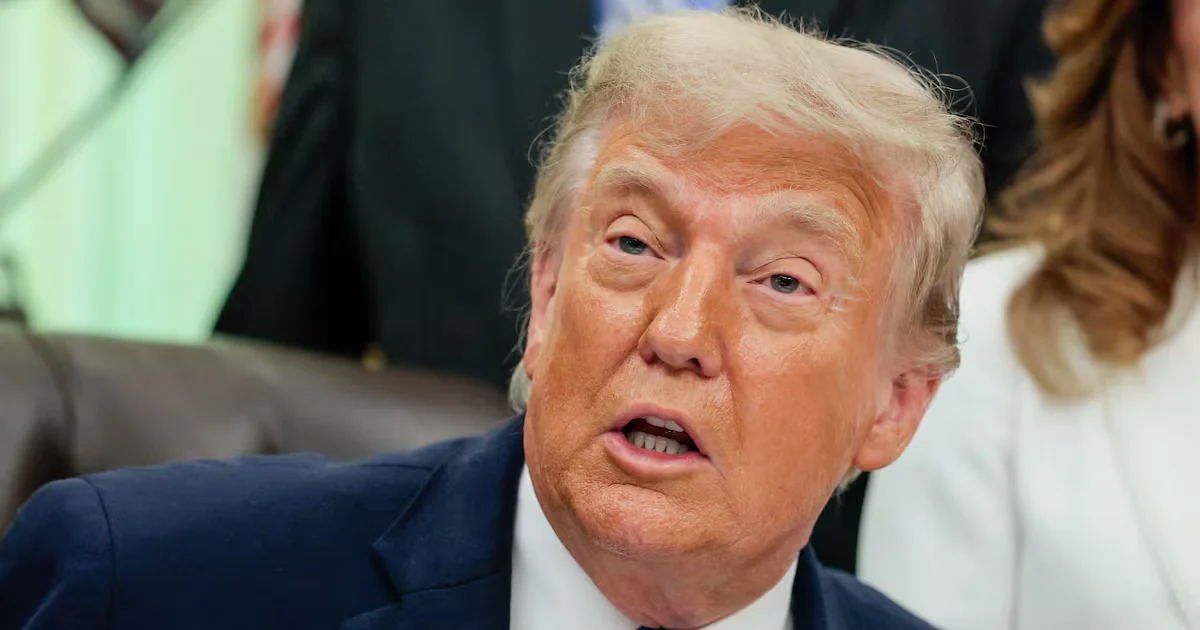
A Reuters/Ipsos poll finds Democrats ahead of Republicans by 8 points on who is better at addressing affordability (36% to 28%), the largest gap since last October, while Trump’s approval sits at a term-low 33%. The results suggest mounting political headwinds for Republicans ahead of the midterms.

Bitcoin jumped over 5% to about $72,384, its highest since June, with a two-day gain near 12% as Treasury yields fell and a short squeeze boosted crypto trading; Coinbase and Circle rose roughly 7% as crypto executives pressed Congress to pass a fair Clarity Act before year-end, a move seen as a key catalyst for regulation and the market’s exit from the crypto winter, though partisan divides over ethics rules threaten timing and a Senate vote; Bitcoin remains about 40% below its October 2025 high of around $126,000.
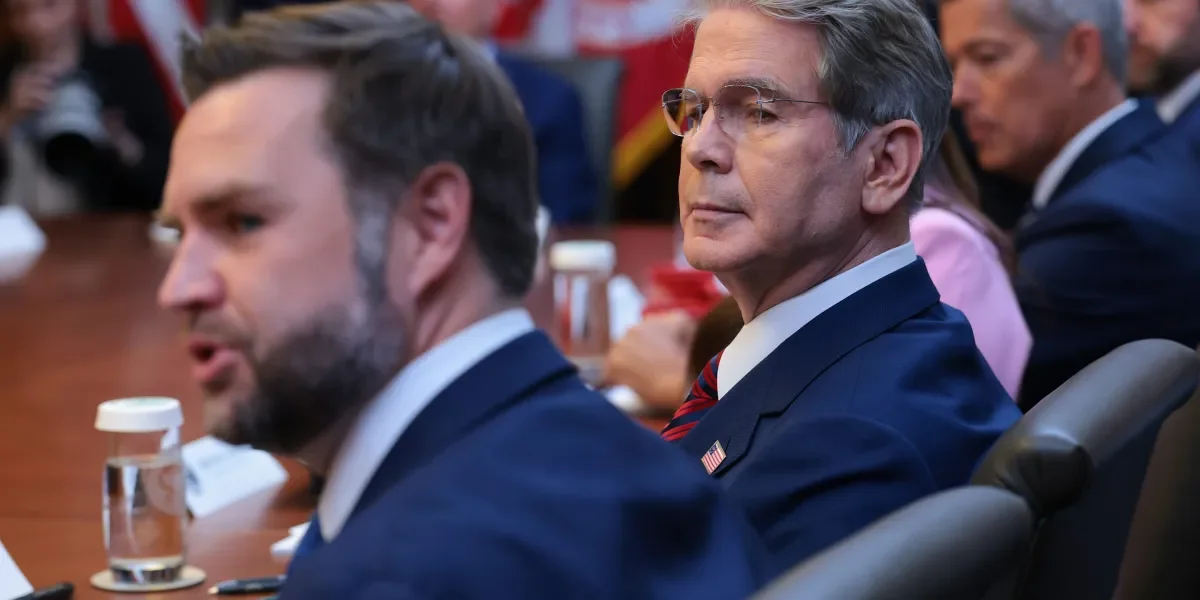
Scott Bessent, a former hedge-fund star who helped Soros and Druckenmiller short currencies, now steered the U.S. Treasury in its first joint currency intervention with Japan since 2011, buying yen to bolster the currency and dampen U.S. Treasury yields as the national debt nears $40 trillion. His currency-market savvy and long-running ties to Japan informed the move, which aimed to support a key ally without triggering a broader sell-off of Treasuries. Critics called the step ill-advised, while supporters say it buys time amid macro pressures, reflecting a shift in policy under a new economic framework and the dollar’s structural role in the global system.
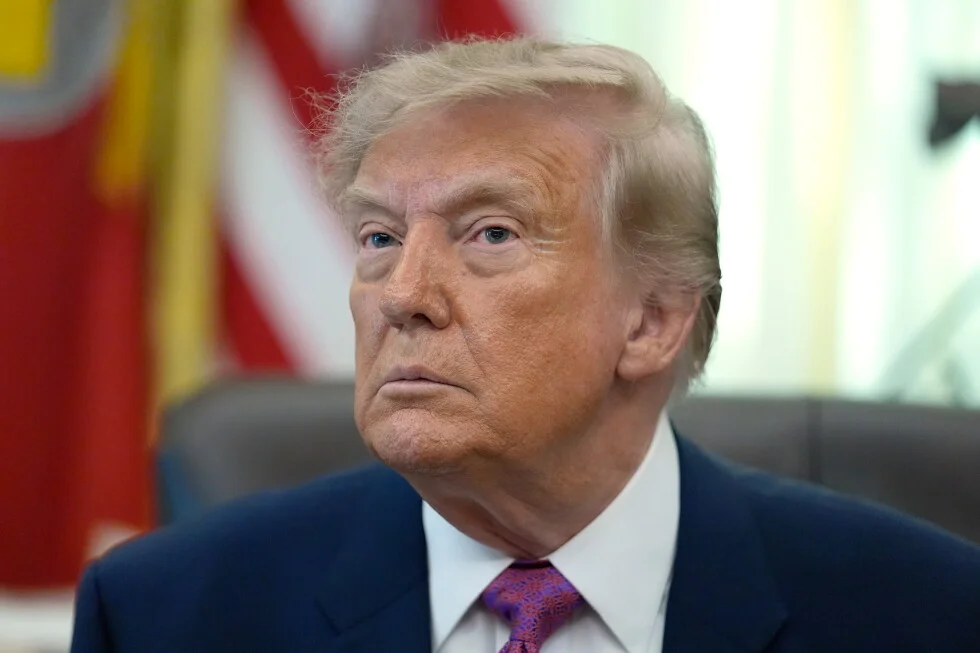
President Donald Trump signed an executive order to rename Lake Ontario as “Lake America” for U.S. maps, a symbolic move tied to the widening U.S.–Canada tariff dispute in which Washington has imposed 50% tariffs on $20 billion of Canadian goods and Canada retaliated with its own tariffs. Trump cannot compel Canada to adopt the name, highlighting the limits of unilateral branding in a bilateral trade feud. The live updates also cover a broad roster of other political and policy stories as events unfold.
Claims awaiting proof
Promised, not yet verified — the open edge of the pattern- Warsh’s Jackson Hole debut targets clarity on Fed’s policy pathAwaiting ProofYahoo Finance · 2026-08-28
- Canada’s retailers brace for 50% U.S. tariffs, fearing cross-border sales hitAwaiting ProofThe Washington Post · 2026-08-27
- Warsh Faces Jackson Hole Test as Markets Seek Monetary ClarityAwaiting ProofCNBC · 2026-08-27
- Tech industry warns Trump’s chip tariffs could derail AI progressAwaiting ProofArs Technica · 2026-08-27
- US-Canada trade row heats up as auto tariffs loom at 50%Awaiting ProofBBC · 2026-08-24
What the literature says
13,486 works in this field · via OpenAlexBurden of the global energy price crisis on households
The Influence of the Global Energy Crisis on Energy Efficiency: A Comprehensive Analysis
Industrial decarbonization via hydrogen: A critical and systematic review of developments, socio-technical systems and policy options
Emissions and energy impacts of the Inflation Reduction Act
Pandemic, War, and Global Energy Transitions
Expert elicitation survey predicts 37% to 49% declines in wind energy costs by 2050
Check it yourself
The instruments that would confirm or refute this patternFRED — Consumer Price Index
Federal Reserve Bank of St. Louis · MonthlyThe actual price level households face, by component.
BLS Consumer Price Index Detail
U.S. Bureau of Labor Statistics · MonthlyComponent-level inflation — electricity, food, shelter — behind the headline number.
EIA Electric Power Data
U.S. Energy Information Administration · MonthlyActual generation, retail price, and demand growth against datacenter load projections.
OpenAlex Scholarly Graph
OurResearch · DailyWhether a claim has peer-reviewed support, and how contested the underlying literature is.
IMF Data Portal
International Monetary Fund · Monthly to quarterlyMacro aggregates — trade balances, reserves, and price levels — across economies.
Argued at length
The Other Transformer Bottleneck
Long equipment lead times expose the difference between financing a data center and delivering an electrical system that can serve itWho Underwrites the Machine
Vendor-backed financing can expand AI infrastructure while changing who carries its lossesEverything in this pattern
157 stories · Yahoo Finance, CNBC, Financial Times and others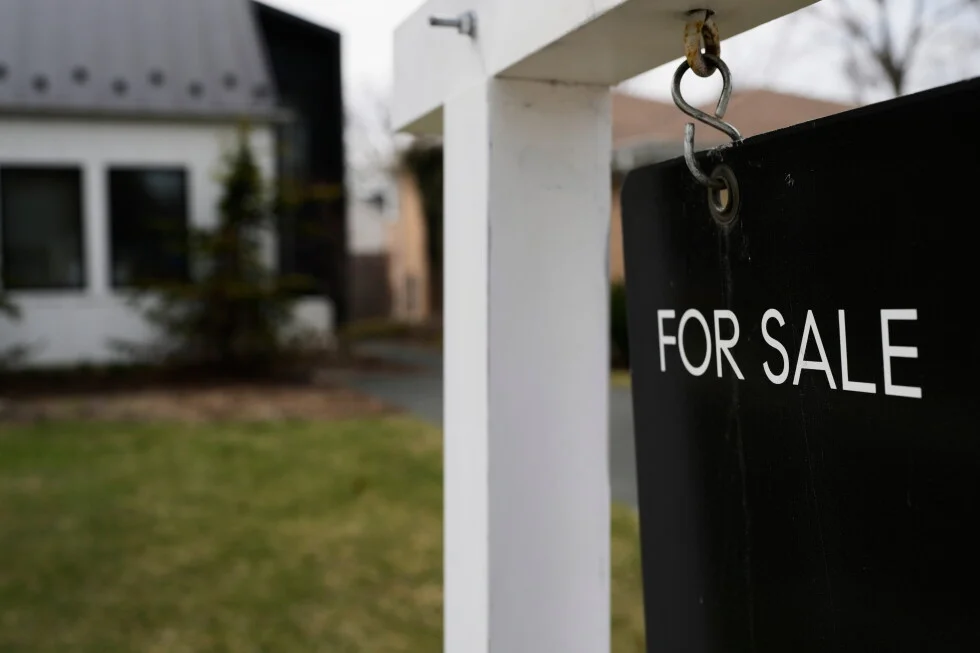
The average rate on the 30-year fixed-rate mortgage rose to 6.66% this week, signaling higher borrowing costs for home buyers.
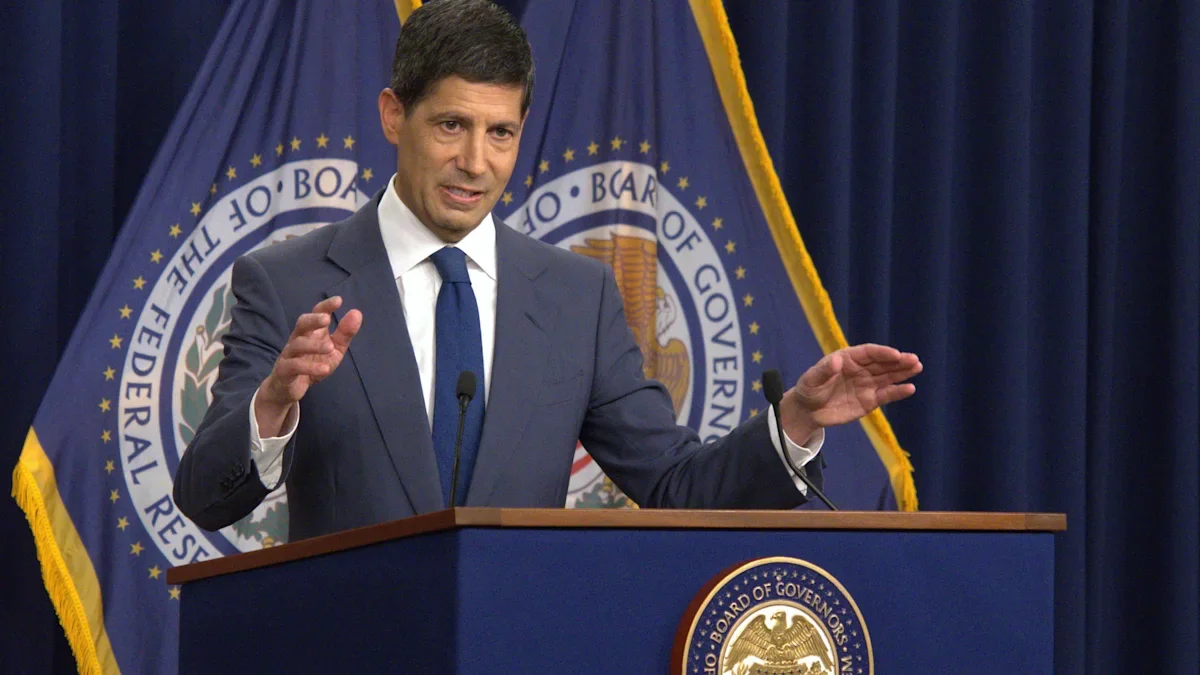
Investors and Fed watchers are hoping Kevin Warsh will bring much-needed clarity to the Fed’s strategy at Jackson Hole, addressing the July press conference confusion, laying out how inflation dynamics may unfold, and clarifying the role of the Fed’s preferred inflation yardstick and rate adjustments, while highlighting his new task forces to improve communication and framework—even as the key tool, the fed funds rate, remains under consideration.

Canadian exporters confront a 50% U.S. tariff on clothing, alcohol and other goods, raising concerns that higher prices will dampen American demand and create surprise tariff bills. Some companies, like Anián, are preemptively blocking taxed items for U.S. shoppers and shifting inventory to mitigate risks, as Canada prepares retaliatory tariffs in September and business groups warn the levies could curb cross-border sales and growth.

Nvidia is increasingly financing the AI boom with its balance sheet, building a near $100 billion equity portfolio and pledging up to $108.5 billion in guarantees to back AI data-center builds (including OpenAI), while seeking external capital—still earning from hardware sales and rental revenue as it expands its role beyond chipmaking.

Gap named Michael Francis as Old Navy CEO effective Nov. 2 to reverse the brand’s sluggish performance. Old Navy posted net sales of $2.1B and a 4% drop in comparable sales for the quarter, contributing about 60% of Gap’s revenue. Overall Gap Inc. saw a 1% decline in company-wide comparable sales, with EPS beating estimates but revenue missing at $3.65B. Banana Republic rose 3% in comps, while Athleta fell 12%. The company raised its full-year adjusted EPS outlook to $2.35–$2.45, aided by tariff refunds that boosted margins. Francis will focus on sharpening customer focus and momentum across the brand portfolio.
President Donald Trump signed an executive order to rename Lake Ontario as “Lake America” for U.S. maps, a symbolic move tied to the widening U.S.–Canada tariff dispute in which Washington has imposed 50% tariffs on $20 billion of Canadian goods and Canada retaliated with its own tariffs. Trump cannot compel Canada to adopt the name, highlighting the limits of unilateral branding in a bilateral trade feud. The live updates also cover a broad roster of other political and policy stories as events unfold.
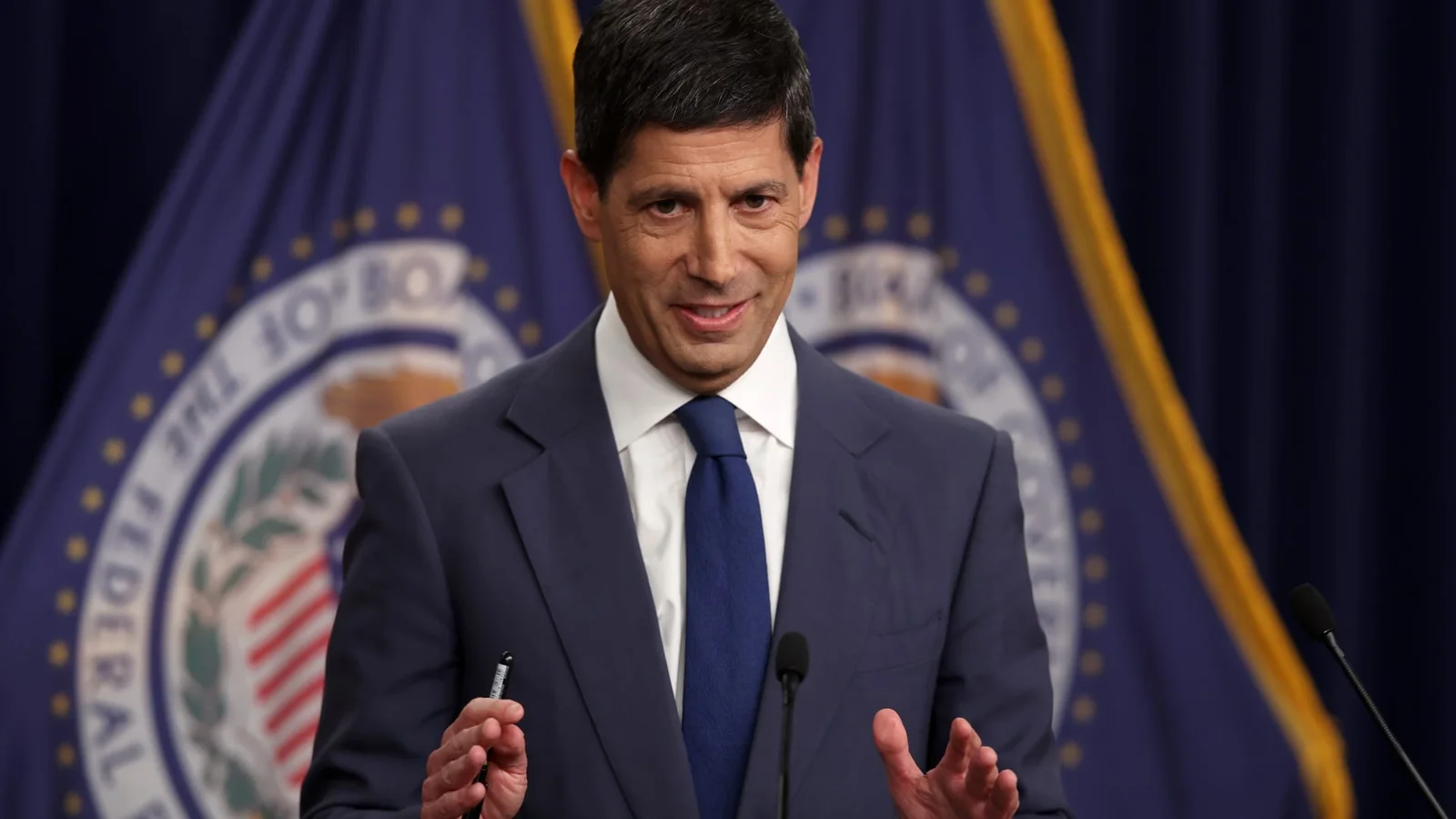
Fed Chair Kevin Warsh will deliver the Jackson Hole keynote amid uncertainty over how concrete his rate-path guidance will be, as markets seek clarity on inflation channels and the Fed’s reaction function. Warsh has set up five task forces to reframe Fed functions and has favored market signals over explicit guidance, a stance that could spark volatility if not paired with clear policy signals. The backdrop includes Treasury’s plan to double buybacks of off-the-run debt, complicating the policy mix ahead of the symposium on Financial Innovation: Implications for Payments and Policy.
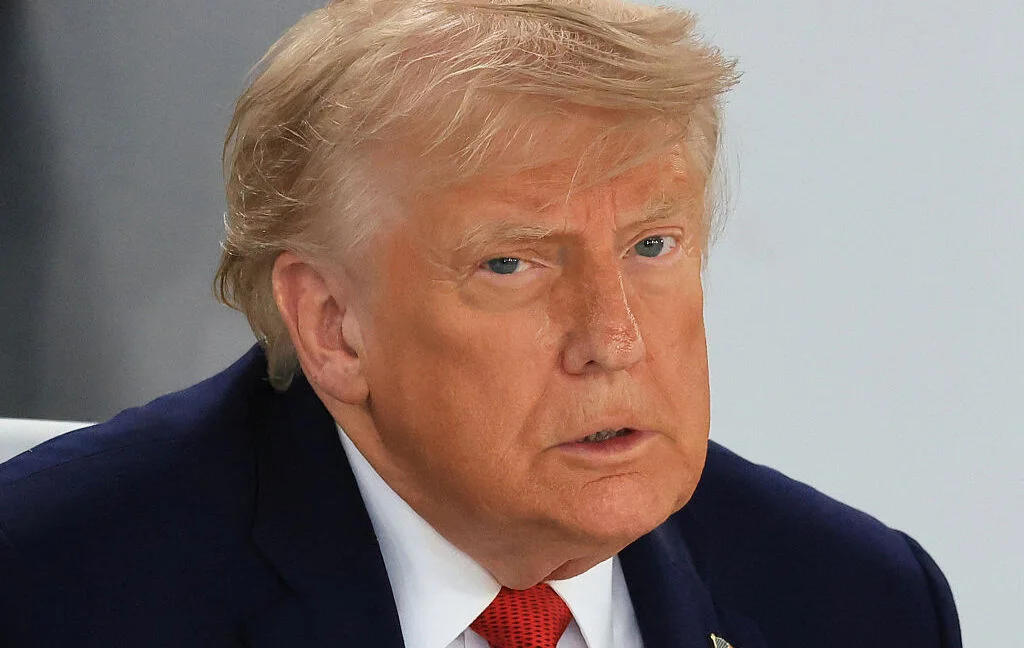
The Trump administration is weighing broad semiconductor tariffs that could extend to chips and downstream products, triggering industry opposition that warns such tariffs would raise prices, slow data-center expansion, and delay AI deployment, potentially pushing AI work overseas; tech groups are pushing for phased, targeted exemptions or avoiding tariffs on semiconductors to prevent undermining US AI leadership.

Trump again seeks to fire Federal Reserve Governor Lisa Cook after a Supreme Court ruling, triggering renewed litigation over Fed independence and the scope of the unitary-executive theory. Cook must respond to mortgage‑fraud allegations, and the courts will likely have to adjudicate who truly controls the Fed amid a broader clash between the presidency and the judiciary.

NVIDIA is expanding beyond chipmaking by using its giant investment portfolio (about $99B in public/private equity) to finance AI infrastructure. It now offers long payment terms to large AI customers, backs data-center builds with guarantees (up to roughly $108.5B for the OpenAI SB Energy project), and seeks outside capital to fund the AI boom (targets >$500B in investor commitments). With accounts receivable at about $63B and a longer average collection period (~60 days), the company is moving toward a model Morgan Stanley has dubbed balance-sheet-as-a-service, while continuing to profit from investment gains and new debt issued for buybacks/dividends. This marks a shift where NVIDIA’s balance sheet becomes a key driver of AI infrastructure growth, not just a supplier of hardware.

AI IPOs hype enormous total addressable market figures to signal growth, but TAM is a long‑term, speculative estimate rather than a precise target. Anthropic reportedly cites a $30 trillion TAM that would surpass SpaceX’s $28.5 trillion, illustrating TAM inflation in tech markets; examples like Reddit and Nvidia show how hype can outpace actual results.
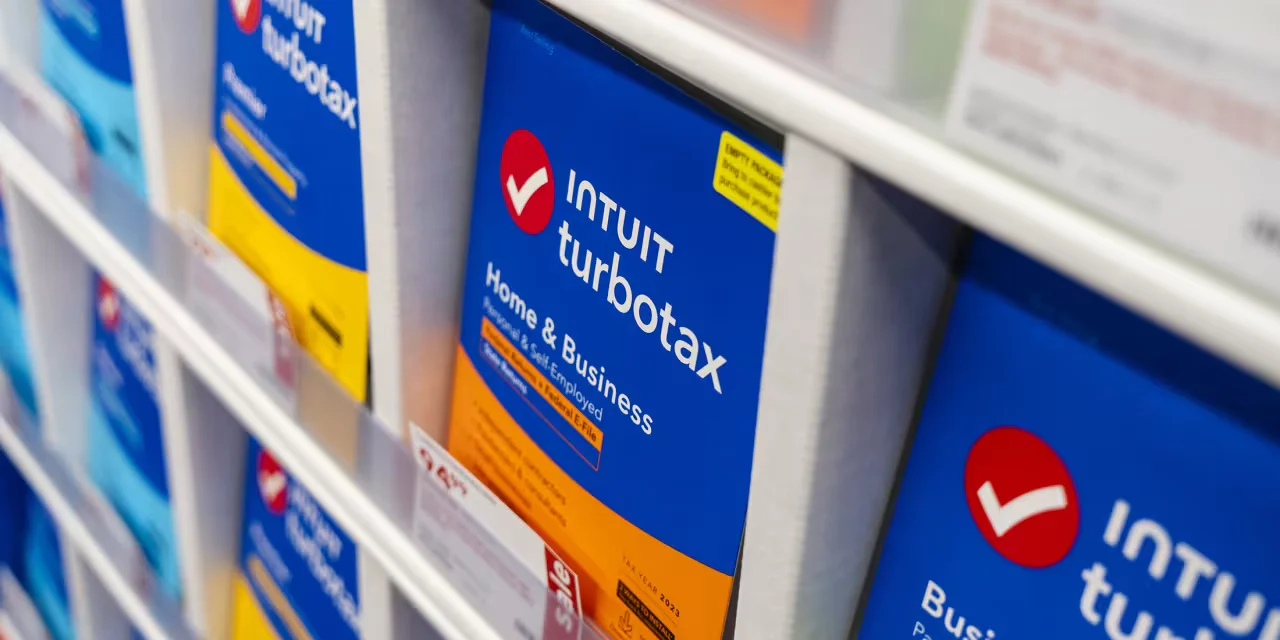
Intuit beat Q4 estimates with adjusted EPS of $4.03 on revenue of $4.35B, but issued FY2027 guidance of $22.88–$23.12 per share on $23.3–$23.5B revenue, well below consensus due to including stock-based compensation. CEO Sasan Goodarzi says the company will use price competition to gain market share amid AI expansion, a stance that contributed to the stock’s drop after the report.
Landscape and survey plates are illustrative, not measured geography. Artwork provenance ↗