Pattern 05 / Trade & Chokepoints
The Chokepoint Economy
Straits, sanctions, tariffs, and component monopolies are being used as instruments of policy — geography as leverage.
Do chokepoints get regulated as shared infrastructure, or weaponized further?
← All patterns
Pattern signature · 28 days
- Wire stories
- 1454.9% of the corpus
- Implementation ratio
- 27%18 done / 49 promised
- Awaiting proof
- 46No verification yet
- Source outlets
- 59Distinct publications
Observed 2026-08-01 — 2026-08-28
Read the observations Composition & daily values ↗
What the 145 stories actually are: Implementation 18 · Announcement 49 · Incident 14 · Capital 15 · Record & Analysis 49
| Date | Wire stories | Implementations | Announcements |
|---|---|---|---|
| 2026-08-01 | 1 | 0 | 1 |
| 2026-08-02 | 4 | 1 | 0 |
| 2026-08-03 | 5 | 1 | 2 |
| 2026-08-04 | 4 | 0 | 1 |
| 2026-08-05 | 5 | 2 | 1 |
| 2026-08-06 | 4 | 1 | 0 |
| 2026-08-07 | 2 | 0 | 1 |
| 2026-08-08 | 3 | 0 | 2 |
| 2026-08-09 | 3 | 1 | 0 |
| 2026-08-10 | 8 | 1 | 0 |
| 2026-08-11 | 6 | 1 | 4 |
| 2026-08-12 | 9 | 0 | 3 |
| 2026-08-13 | 4 | 1 | 1 |
| 2026-08-14 | 5 | 0 | 1 |
| 2026-08-15 | 1 | 0 | 0 |
| 2026-08-16 | 6 | 0 | 3 |
| 2026-08-17 | 9 | 1 | 2 |
| 2026-08-18 | 13 | 2 | 5 |
| 2026-08-19 | 5 | 1 | 1 |
| 2026-08-20 | 3 | 0 | 2 |
| 2026-08-21 | 7 | 1 | 3 |
| 2026-08-22 | 5 | 1 | 3 |
| 2026-08-23 | 3 | 0 | 2 |
| 2026-08-24 | 8 | 0 | 2 |
| 2026-08-25 | 8 | 0 | 4 |
| 2026-08-26 | 6 | 0 | 1 |
| 2026-08-27 | 5 | 1 | 3 |
| 2026-08-28 | 3 | 2 | 1 |
Trade is increasingly conducted through pressure points: a strait that carries a fifth of seaborne oil, export controls on grid hardware, tariff regimes redrawn by decree, and component dependencies deep enough to constitute strategic exposure. Each chokepoint concentrates enormous leverage in whoever holds it — and shifts risk onto whoever cannot route around it.
Do chokepoints get regulated as shared infrastructure, or weaponized further?
Chokepoint access is governed by enforceable multilateral rules rather than unilateral discretion.
Return to the evidence
Explore the sources, from primary records to independent research and reporting.
Records behind the pattern
Follow this pattern to its underlying data and public documentation.
View sources →Research and its boundaries
Read the research associated with this pattern and inspect its sources.
View sources →News and in-depth reporting
Trace current developments back to the stories carrying this pattern.
View sources →The evidence
Highest-substance stories carrying this pattern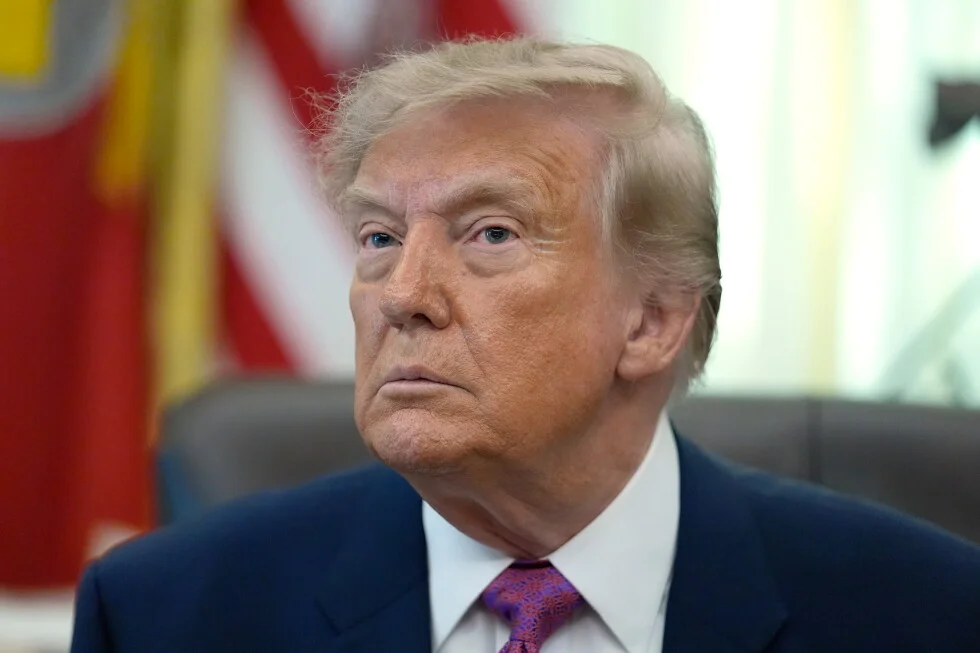
President Donald Trump signed an executive order to rename Lake Ontario as “Lake America” for U.S. maps, a symbolic move tied to the widening U.S.–Canada tariff dispute in which Washington has imposed 50% tariffs on $20 billion of Canadian goods and Canada retaliated with its own tariffs. Trump cannot compel Canada to adopt the name, highlighting the limits of unilateral branding in a bilateral trade feud. The live updates also cover a broad roster of other political and policy stories as events unfold.
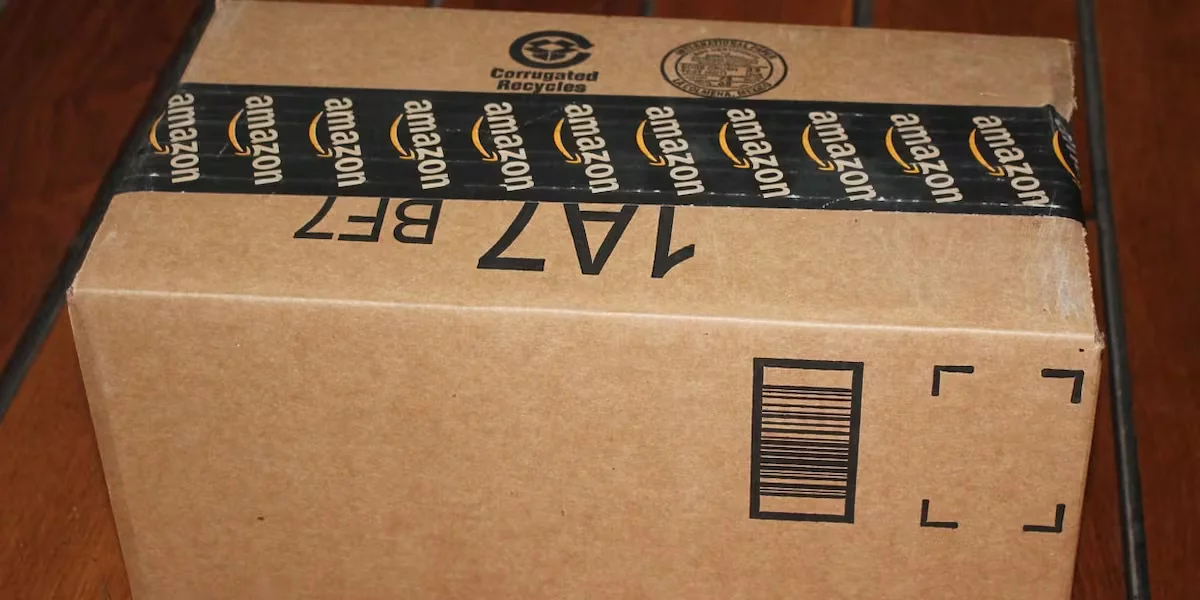
Amazon says it has about $600 million in tariff refunds and will automatically return a portion to eligible customers after the Supreme Court ruled many Trump-era tariffs illegal.
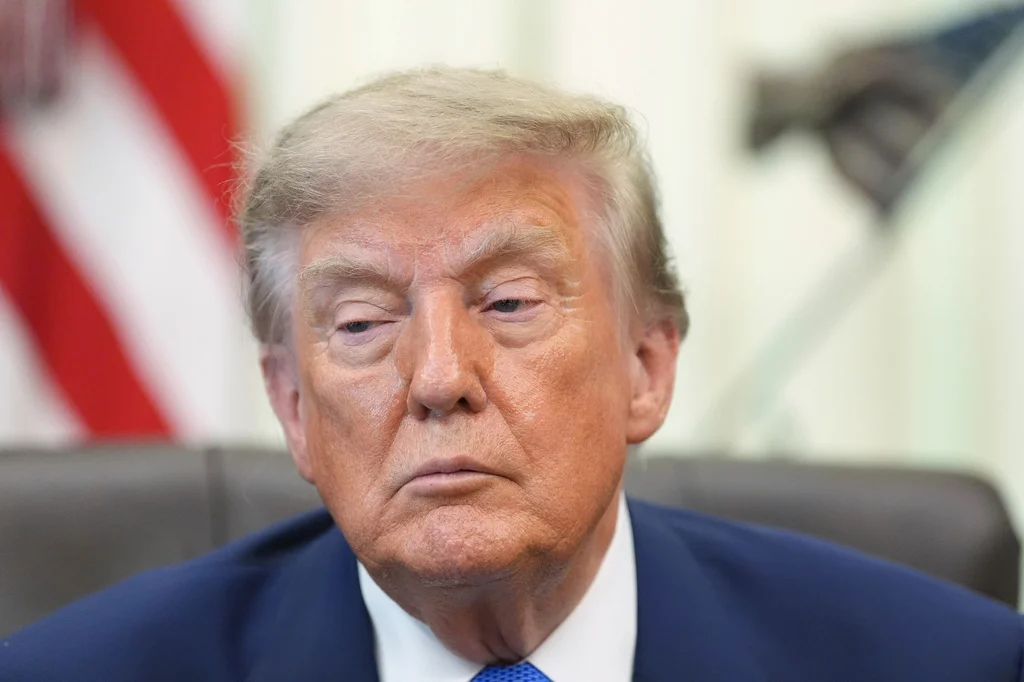
A Congressional Budget Office forecast shows the 2026 federal deficit rising to about $2.1 trillion, roughly $200 billion above February’s estimate, largely due to weaker tariff revenue after the Supreme Court struck down Trump-era tariffs. Tariff and customs receipts are now expected about $250 billion below earlier projections, with about $100 billion of collected tariff duties already refunded. In the first 10 months of fiscal 2026 the deficit was $1.8 trillion as outlays grew $308 billion and revenues rose $139 billion, aided by a July payment shift; spending on Social Security, Medicare and Medicaid accounted for most of the increase, and net interest payments rose by $117 billion, prompting economists to warn that borrowing could exceed $2 trillion this year.
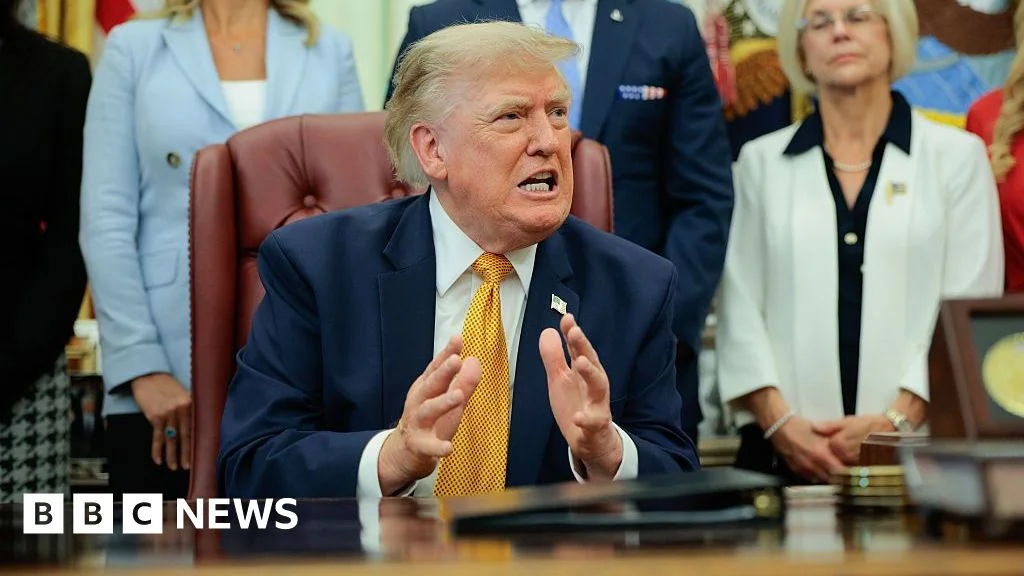
The Trump administration has refunded roughly $100 billion in tariffs to businesses via US customs—about 60% of collected tariff revenue—after a Supreme Court ruling found broad import taxes unlawful; about $29 billion remains under review and $1.6 billion is pending banking details, with importers who paid tariffs eligible for refunds (Amazon reportedly received ~ $600 million). Refunds are expected to grow as claims are processed, while post-ruling policy shifts included a temporary 10% universal tariff later replaced by new tariffs on dozens of partners, including Canada.
Claims awaiting proof
Promised, not yet verified — the open edge of the pattern- IDF Strikes Hezbollah as Hormuz Frontline Tensions RiseAwaiting ProofThe Jerusalem Post · 2026-08-28
- Canada’s retailers brace for 50% U.S. tariffs, fearing cross-border sales hitAwaiting ProofThe Washington Post · 2026-08-27
- Putin's escalation gamble looms as CIA warning stirs NATO fearsAwaiting ProofEUobserver · 2026-08-27
- Tech industry warns Trump’s chip tariffs could derail AI progressAwaiting ProofArs Technica · 2026-08-27
- Hormuz corridor talks inch closer as oil slips and Tehran sanctions tightenAwaiting ProofFox News · 2026-08-26
What the literature says
334 works in this field · via OpenAlexThe platform governance triangle: conceptualising the informal regulation of online content
“Wars without Gun Smoke”: Global Supply Chains, Power Transitions, and Economic Statecraft
Weaponised interdependence in a bipolar world: how economic forces and security interests shape the global reach of US and Chinese cloud data centres
A Theory of Economic Coercion and Fragmentation
Navigating industrial policy and global value chains in an era of disruptions
Five modes of China’s economic influence: rethinking Chinese economic statecraft
Check it yourself
The instruments that would confirm or refute this patternEIA Petroleum & Liquids Data
U.S. Energy Information Administration · WeeklyActual flows, stocks, and prices against claims about chokepoint disruption.
UN Comtrade Database
United Nations Statistics Division · MonthlyWhether trade flows actually rerouted after a tariff or sanction, and to where.
OFAC Sanctions List Service
U.S. Department of the Treasury · ContinuousWho is actually designated, when, and under which authority.
OpenAlex Scholarly Graph
OurResearch · DailyWhether a claim has peer-reviewed support, and how contested the underlying literature is.
IMF Data Portal
International Monetary Fund · Monthly to quarterlyMacro aggregates — trade balances, reserves, and price levels — across economies.
Argued at length
Everything in this pattern
145 stories · Yahoo Finance, Fox News, Politico and others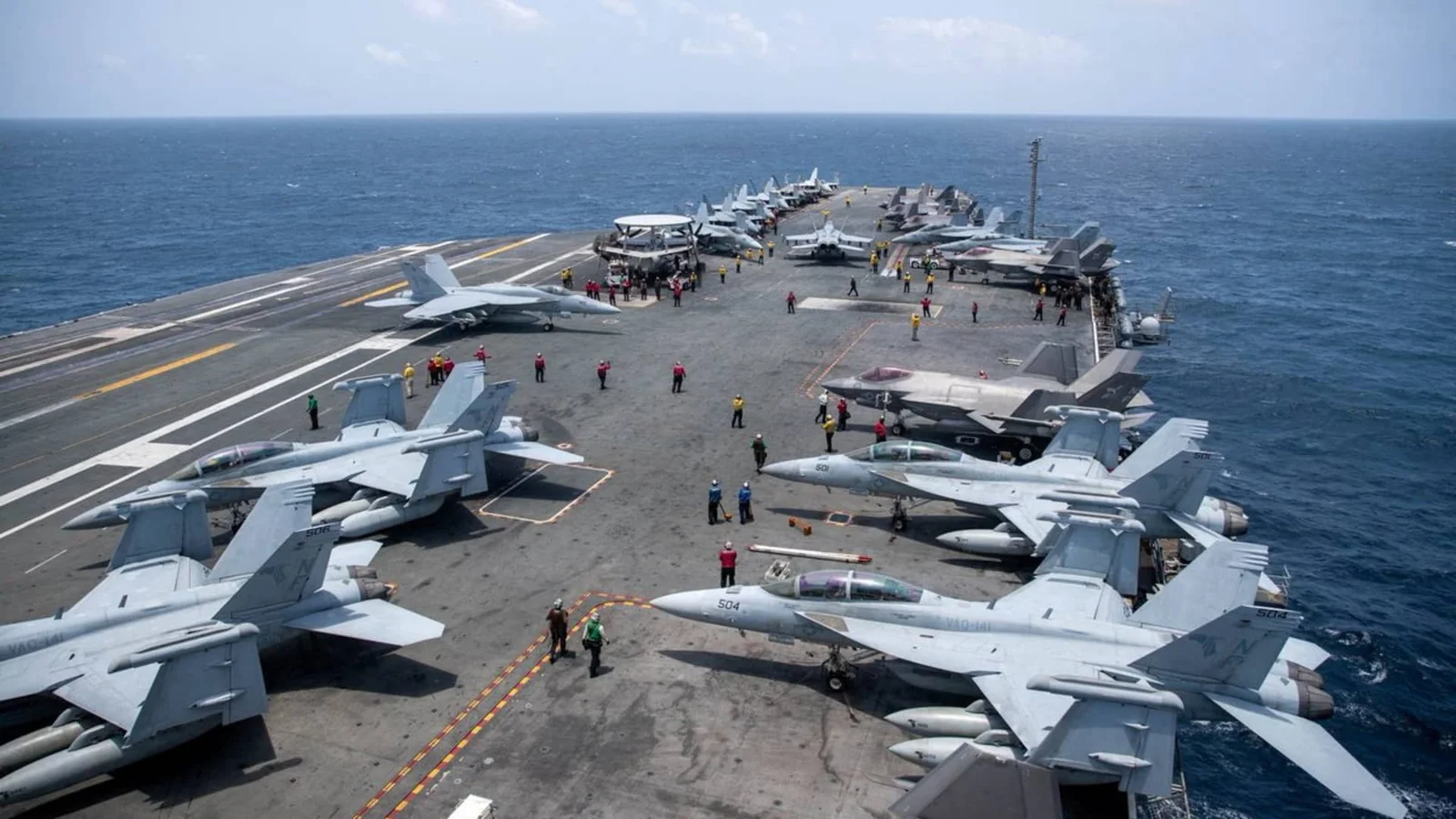
Iran says the reopening of the Strait of Hormuz hinges on ending wars in Gaza, Lebanon, and Syria, with Israel withdrawing and attacks stopping; the U.S. must prove its seriousness before trust can be rebuilt, even as reports say Trump is not looking to return to the June deal and is pursuing economic pressure. Iran has granted a temporary corridor for ships, with Oman discussing a joint routing; U.S. Central Command notes shipping traffic is returning gradually but remains far below prewar levels.
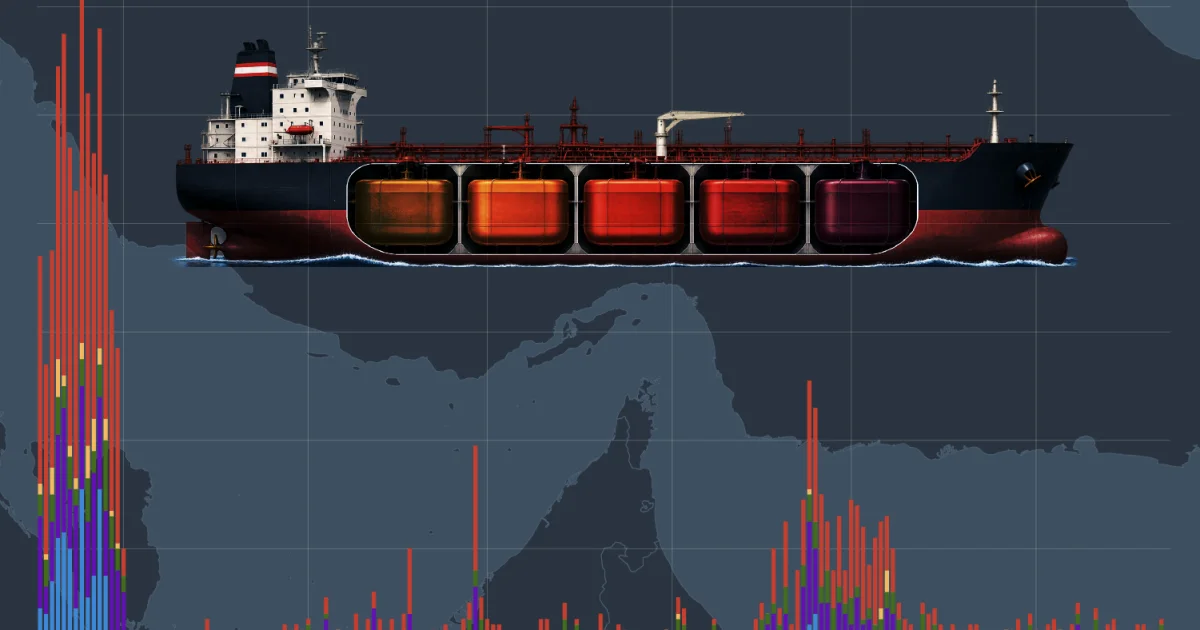
Traffic through the Strait of Hormuz has collapsed by about 95%—from roughly 100 ships a day to five—forcing a global shipping reroute via the Red Sea and Southeast Asia, cutting Gulf crude exports by about 47% and pushing oil prices higher as supply chains adapt to new chokepoint realities.
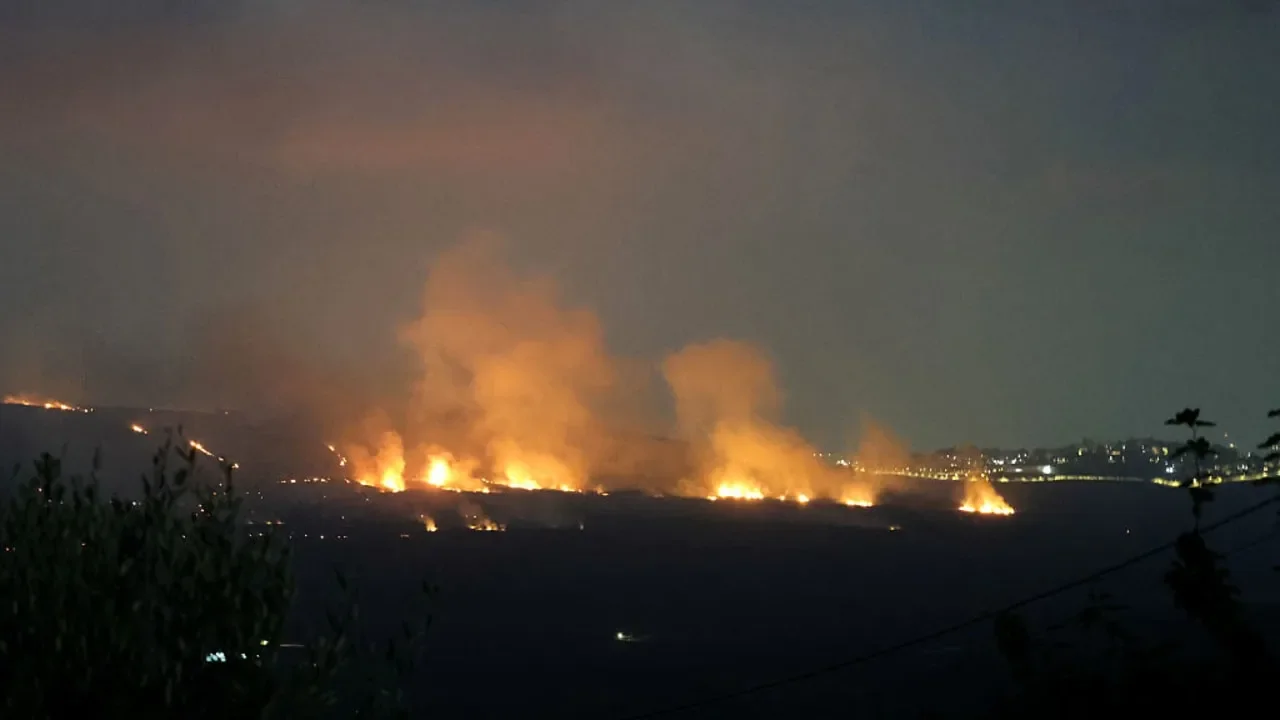
Live updates show IDF strikes against Hezbollah after drones targeted troops in southern Lebanon, with reports of an Israeli strike on Beit Jinn in Syria as cross-border hostilities continue. Mazloum Abdi is named adviser as the SDF dissolves, while the US says it has cleared mines in the Strait of Hormuz, enabling free shipping and signaling pressure on Iran. Iran’s leadership remains in focus as officials push sanctions and potential deals, Trump claims Iran is seeking a deal, and Iran’s security head dismisses plots against Trump’s son. Israel denies plans to reopen the Erez crossing, a drone is recovered after an emergency landing in the Negev, and experts say Iran’s leverage over Hormuz is waning amid broader regional tensions.

Canadian exporters confront a 50% U.S. tariff on clothing, alcohol and other goods, raising concerns that higher prices will dampen American demand and create surprise tariff bills. Some companies, like Anián, are preemptively blocking taxed items for U.S. shoppers and shifting inventory to mitigate risks, as Canada prepares retaliatory tariffs in September and business groups warn the levies could curb cross-border sales and growth.

Gap named Michael Francis as Old Navy CEO effective Nov. 2 to reverse the brand’s sluggish performance. Old Navy posted net sales of $2.1B and a 4% drop in comparable sales for the quarter, contributing about 60% of Gap’s revenue. Overall Gap Inc. saw a 1% decline in company-wide comparable sales, with EPS beating estimates but revenue missing at $3.65B. Banana Republic rose 3% in comps, while Athleta fell 12%. The company raised its full-year adjusted EPS outlook to $2.35–$2.45, aided by tariff refunds that boosted margins. Francis will focus on sharpening customer focus and momentum across the brand portfolio.
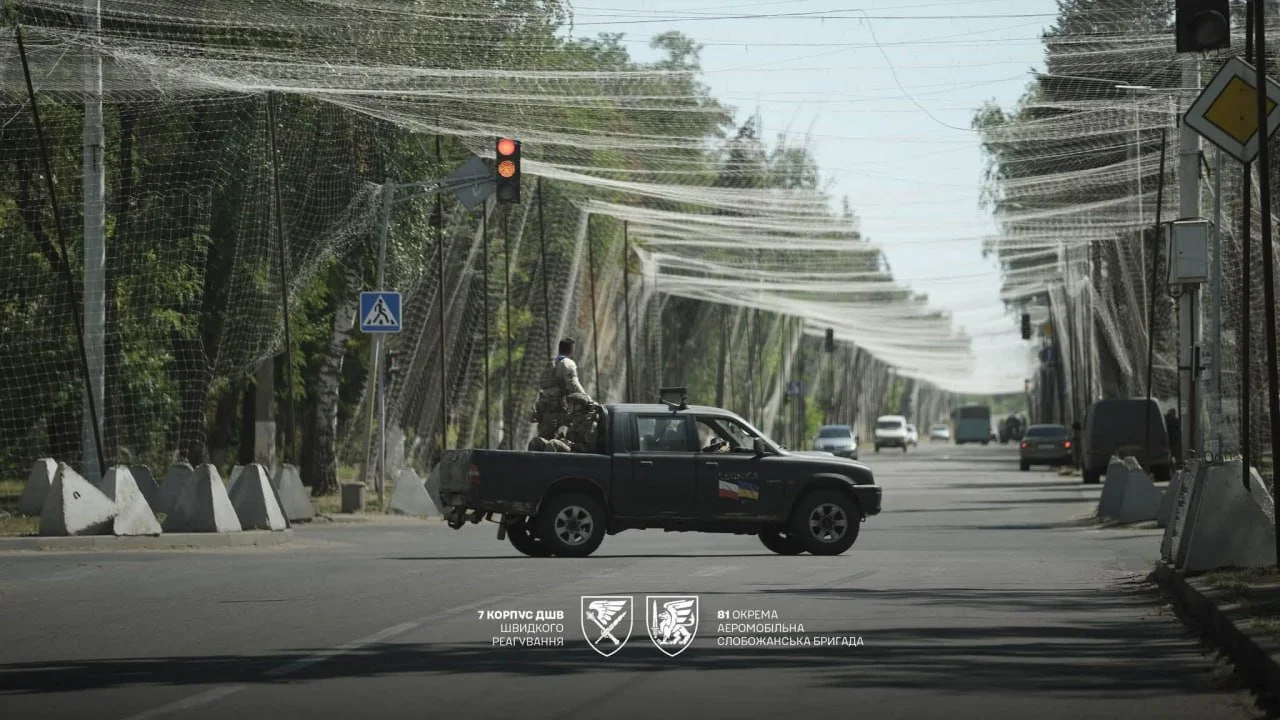
EUobserver reports Moscow is preparing a serious escalation of the war, with discussions of using tactical nuclear weapons and possibly attacking NATO members, following a CIA warning during a visit to Moscow; analysts say full nuclear use is unlikely but a partial mobilization could occur. The piece also notes Russia’s fuel shortages tied to sanctions and Ukrainian strikes, while Western powers worry about NATO unity and Baltic security amid increased airspace violations and drone incursions.
President Donald Trump signed an executive order to rename Lake Ontario as “Lake America” for U.S. maps, a symbolic move tied to the widening U.S.–Canada tariff dispute in which Washington has imposed 50% tariffs on $20 billion of Canadian goods and Canada retaliated with its own tariffs. Trump cannot compel Canada to adopt the name, highlighting the limits of unilateral branding in a bilateral trade feud. The live updates also cover a broad roster of other political and policy stories as events unfold.
The Trump administration is weighing broad semiconductor tariffs that could extend to chips and downstream products, triggering industry opposition that warns such tariffs would raise prices, slow data-center expansion, and delay AI deployment, potentially pushing AI work overseas; tech groups are pushing for phased, targeted exemptions or avoiding tariffs on semiconductors to prevent undermining US AI leadership.
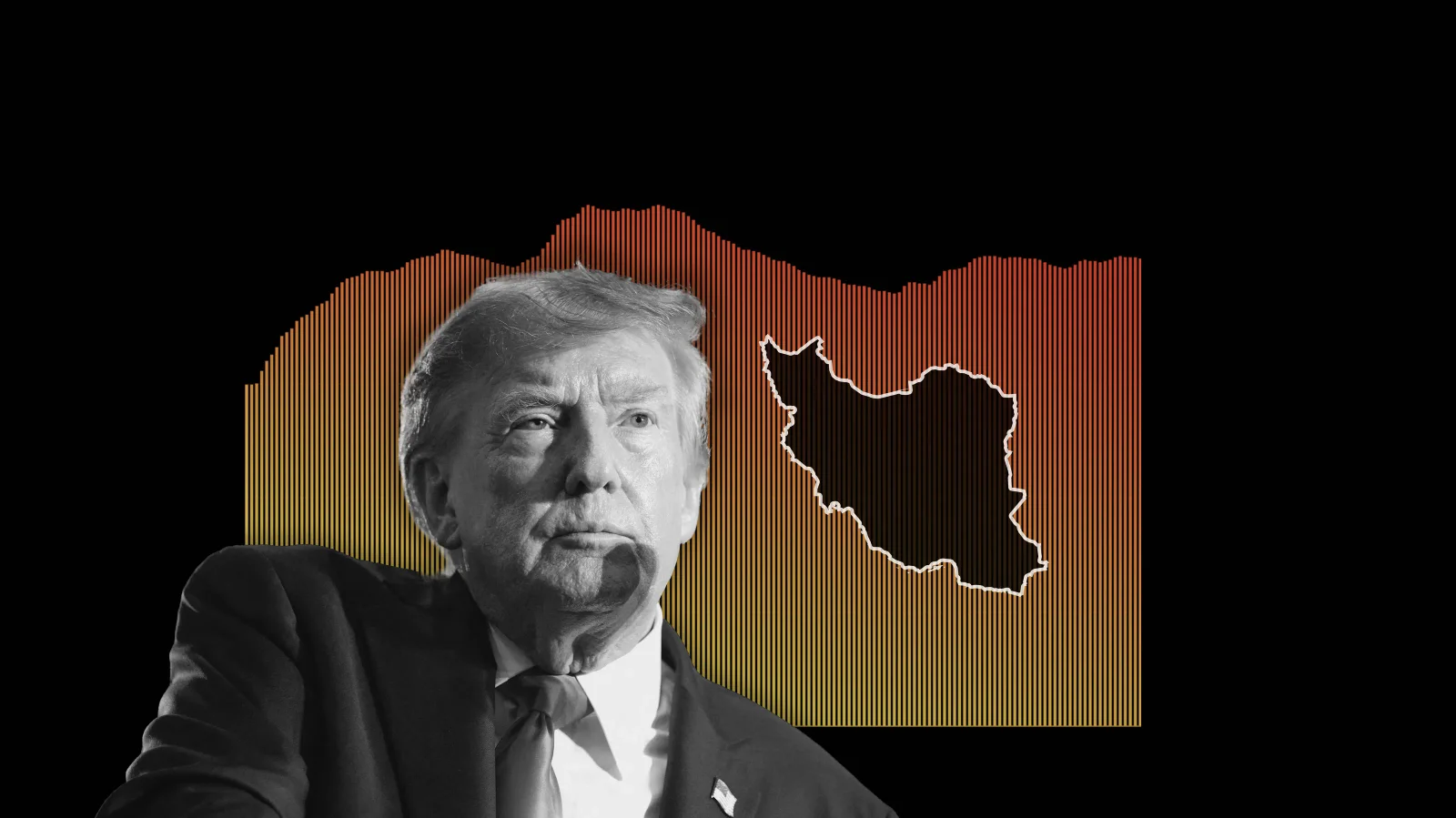
Six months of Iran's conflict has shifted from targeted strikes to broader disruption of shipping through the Strait of Hormuz, driving up fertilizer, food, fuel (including jet fuel) and airline costs in the U.S. and contributing to a decline in consumer confidence and economic optimism.
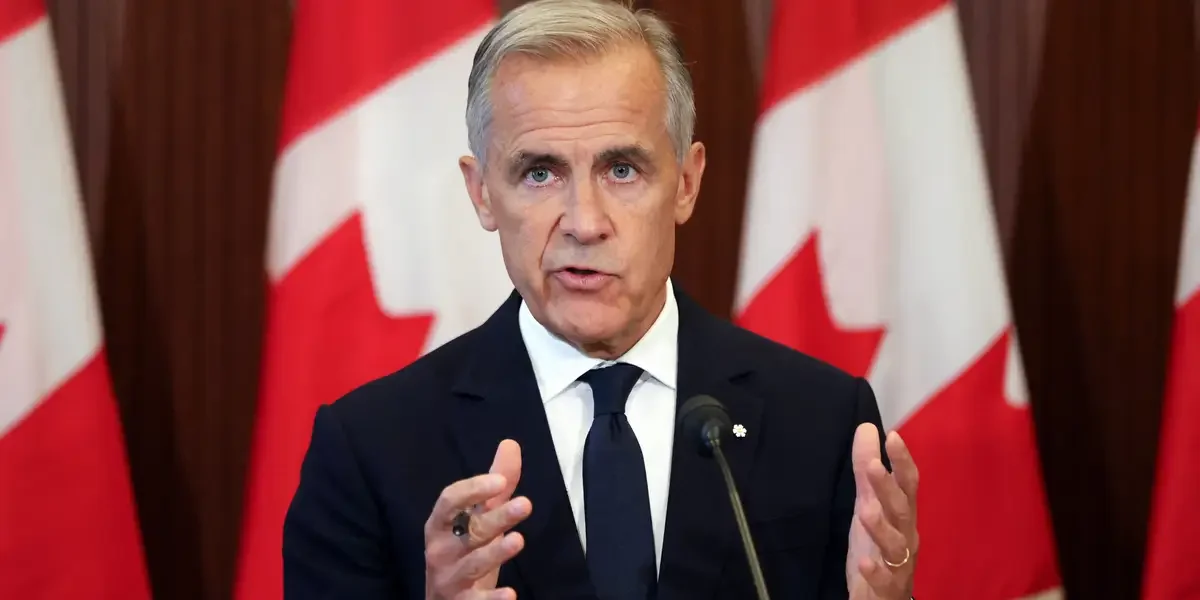
Mark Carney’s approach in Canada’s clash with the US under Trump offers a blueprint for leaders facing a more powerful partner: establish nonnegotiables grounded in values, stay composed to prevent emotional contagion, update assumptions when a partner stops behaving as expected, and build allied strength to counter leverage. The article cites Carney’s walkaway from unfair talks, Canada’s tariff retaliation, and Nintendo’s pushback against Amazon to illustrate disciplined negotiation and the value of alliances. For CEOs, the takeaway is to focus on what you can control and influence, maintain unity with partners, and recognize that outcomes in leverage-driven disputes remain uncertain.
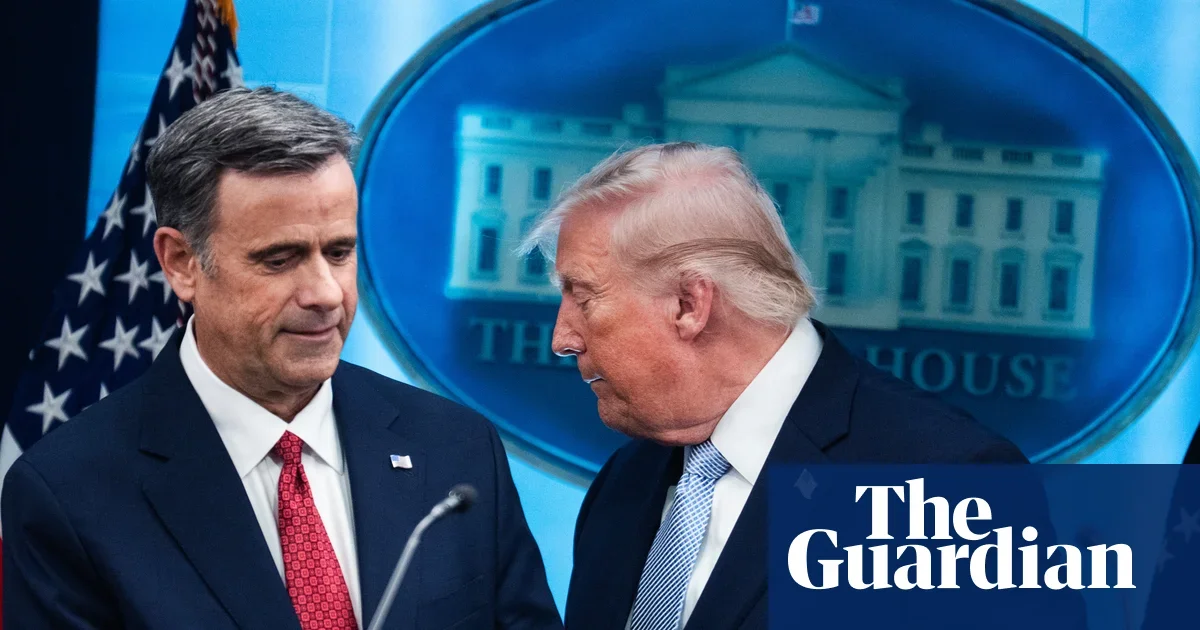
President Trump downplayed CIA Director John Ratcliffe’s unannounced Moscow visit as 'semi-routine,' saying there’s no indication of a Putin meeting as speculation swirls around U.S.-Russia tensions amid the Ukraine war and Iran sanctions; Ratcliffe traveled on government transport, and Moscow confirmed the trip without details, marking the first CIA director visit since 2021.
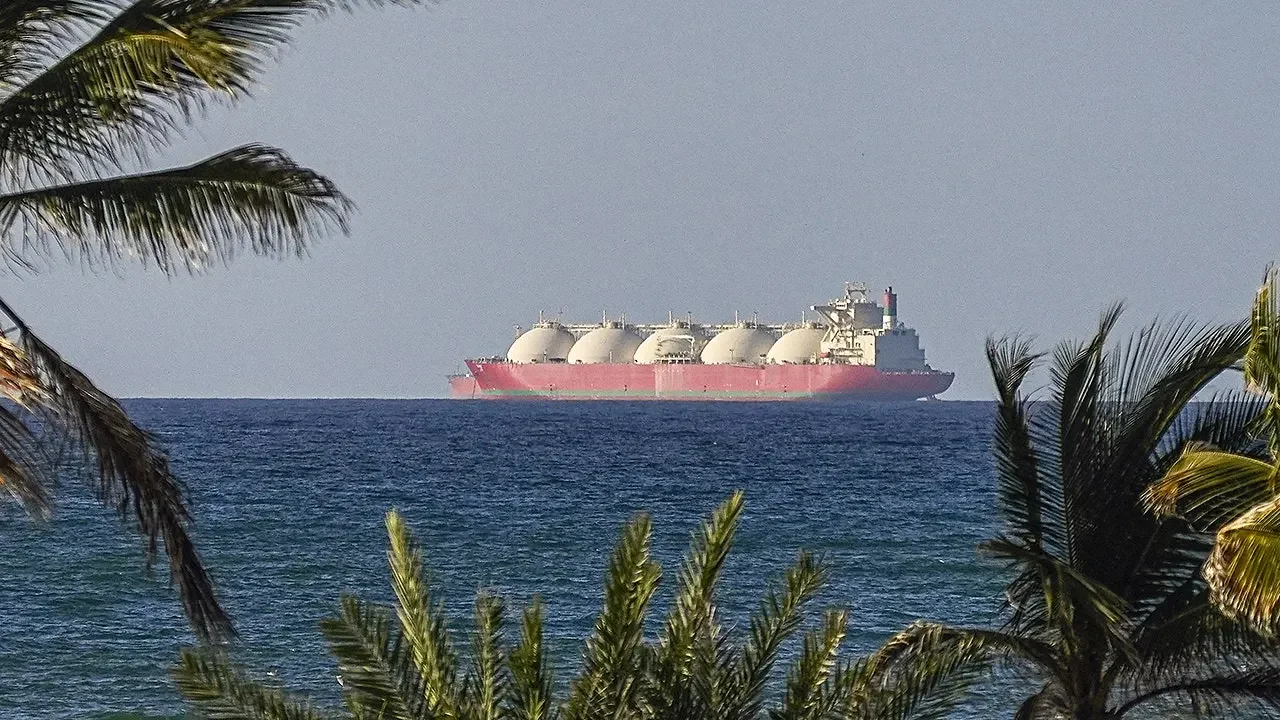
Iran reportedly holds about 80 million barrels of crude in floating storage, with roughly half aboard ships near Malaysia, forming a floating stockpile that could be monetized despite the U.S. blockade. Washington’s Operation Economic Outcast seeks to choke Tehran’s oil revenue and broaden pressure to shadow‑fleet vessels, while China’s Iranian imports have fallen; ship‑to‑ship transfers help obscure origin but turning that stock into cash and moving proceeds through the financial system remains risky, legally complex, and challenging for a Navy stretched by enforcement duties.
Landscape and survey plates are illustrative, not measured geography. Artwork provenance ↗